75 Preschool Activities for Kids That Make Learning Fun
Preschool is a magical time when little minds are like sponges, soaking up information and discovering the world around them. The key to effective early childhood education lies in harnessing a child’s natural curiosity through play. When learning feels like fun, children are more engaged, retain information better, and develop a lifelong love for discovery.
This comprehensive guide provides 75 preschool activities for kids that make learning fun. These ideas are designed for parents, caregivers, and educators looking to create enriching experiences at home or in the classroom. From sensory bins to alphabet games, each activity is crafted to build essential skills while keeping children entertained.
Why Play-Based Learning Matters for Preschoolers
Before diving into the activities, it is important to understand why play is so crucial. Child development experts agree that the first experiences of every child set the stage for success not only in school but in life. High-quality, play-based learning at home can significantly boost a child’s cognitive and social development.
Preschoolers learn best through hands-on experience and self-directed exploration. When children engage in creative activities like drama, craft, music, and dance, they build confidence, understand emotions, and practice problem-solving. The goal is to focus on experiencing and discovering, rather than achieving a perfect end product.
For children who may need additional support in social or behavioral development, structured interventions can be integrated into play-based settings. Many families find that pairing preschool activities with professional guidance enhances their child’s progress significantly.
Sensory Activities for Early Exploration (Activities 1-10)
Sensory play is fundamental for preschool development. These activities engage the senses and help build neural pathways.
1. Sensory Bins: Fill a bin with rice, beans, or pasta. Add measuring cups, spoons, and small toys for digging and scooping. This builds fine motor skills.
2. Water Play: Set up a water table or fill a tub with water. Add cups, funnels, and floating toys to teach concepts like volume and sinking vs. floating.
3. Playdough Letters: Roll playdough into snake shapes and form letters or numbers. This strengthens hand muscles necessary for writing.
4. Color Sorting with Muffin Tins: Place colored pom-poms or paper scraps in a muffin tin and have children sort them by color to build visual recognition.
5. Texture Walk: Create a path using towels, bubble wrap, soft blankets, and other textured materials for barefoot exploration.
6. Bubble Wrap Stomp: Tape bubble wrap to the floor and let kids stomp to their heart’s content. It is great for sensory play and gross motor development.
7. Sensory Bottles: Fill clear bottles with water, glitter, and beads. Watching them settle provides a calming effect and visual stimulation.
8. Sink or Float: Gather various objects and place them in a bowl of water. Let children guess which will sink and which will float to encourage scientific thinking.
9. Pouring and Scooping Station: Fill a bin with rice or beans. Provide cups and containers to practice pouring and scooping skills.
10. Texture Touch Boards: Make a board with patches of rough, soft, smooth, and bumpy textures to support sensory learning.
Literacy and Language Development (Activities 11-20)
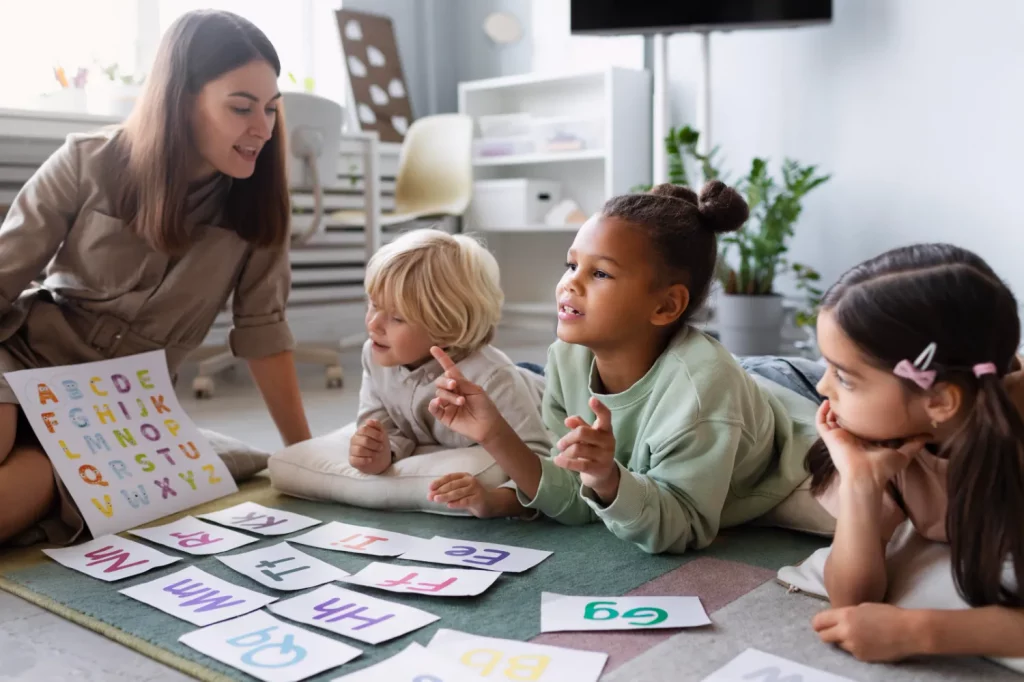
These activities help build the foundation for reading and communication.
11. Alphabet Treasure Hunt: Write letters on sticky notes and hide them around the house. Have children find them and say their sound.
12. Letter Sound Scavenger Hunt: Announce a letter sound and have children find objects that start with that sound. This builds phonemic awareness.
13. Story Stones: Paint pictures on smooth stones. Children pull a few stones and create a narrative based on the images.
14. Storytime with Props: Read a story and use simple toys or drawings to act it out. This helps with vocabulary retention.
15. Pretend Post Office: Set up a post office where children write “letters” and deliver them around the house.
16. Name Recognition: Write your child’s name on a large piece of paper. Have them trace it with finger paint or stickers.
17. Alphabet Songs: Sing songs with repetition and simple melodies to help children remember letter sounds and sequences.
18. Story Sequencing: After reading a story, ask children to put picture cards in the correct order to build comprehension.
19. Matching Cards: Create simple matching cards with pictures to build memory and focus.
20. Interactive Storytelling: Use puppets to make storytime lively and encourage listening skills.
Math and Cognitive Skills (Activities 21-30)
Preschoolers can grasp math concepts through hands-on manipulation.
21. Number Sorting Baskets: Label bowls with numbers. Give children small objects like buttons and ask them to sort items into the correct bowl based on the quantity.
22. Pattern Making: Use beads or blocks to create patterns (red-blue-red-blue) and ask children to continue the sequence.
23. Shape Walking Game: Tape different shapes on the floor. Call out a shape and let children walk or jump to that shape.
24. Pouring and Measuring: While cooking, let children help measure ingredients. This introduces concepts of volume and fractions.
25. What’s Missing? Show them five objects, then remove one. Ask “What’s missing?” to build memory and observation skills.
26. Cup Stacking: Simple stacking promotes hand-eye coordination and understanding of size and balance.
27. Block Building: Using blocks, children learn about balance, shapes, and spatial reasoning.
28. Counting Games: Count objects during daily routines, like counting steps while walking up the stairs.
29. Simple Science Experiments: Mix baking soda and vinegar to create a “volcano” to teach basic chemical reactions.
30. Color Mixing with Water: Fill cups with colored water and let children mix them to create new colors.
Arts, Crafts, and Creativity (Activities 31-40)
Creative expression is vital for emotional and cognitive growth. Many of these activities are staples in high-quality early learning environments, whether at home or at a Child Care & Daycare in Washington, where educators use art to build fine motor skills and self-confidence.
31. Finger Painting: Using washable paints, preschoolers can mix colors and create beautiful, messy artwork.
32. Cardboard Box Creations: Give your child an empty box to decorate into a house, robot, or truck.
33. Nature Collages: Go on a walk to collect leaves and sticks, then create a collage using these natural materials.
34. Homemade Instruments: Make a drum using a saucepan and a wooden spoon, or make shakers with filled bottles.
35. Story Cubes: Create dice with pictures to prompt silly stories.
36. Clay Modeling: Clay is excellent for building strength in small hands.
37. Collage Making: Use paper, feathers, and other materials to make collages.
38. Dress-up Box: Use old clothes to act out roles like a nurse or a zookeeper, which helps build empathy.
39. Puppet Show: Create sock puppets and put on a show to develop language and storytelling skills.
40. Home Art Gallery: Frame your child’s artwork on a kitchen wall to show them that you value their creations.
Music, Movement, and Gross Motor Skills (Activities 41-50)
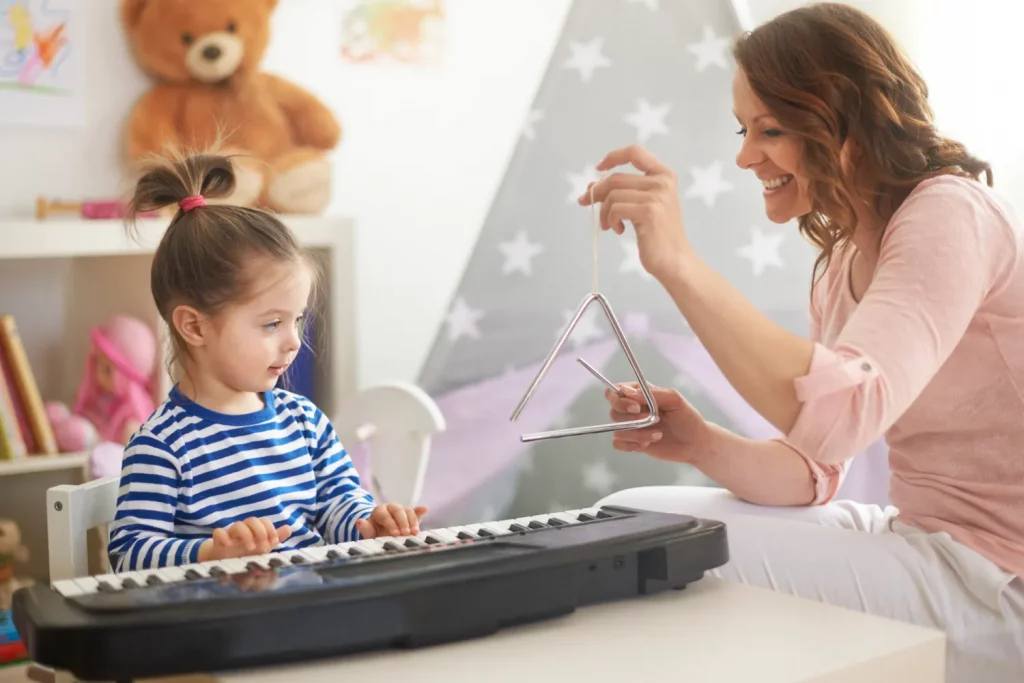
Physical activity is crucial for health and coordination.
41. Freeze Dance: Play music and let kids dance. When the music stops, they freeze in place. This builds listening skills and coordination.
42. Obstacle Course: Use pillows, chairs, and ropes to create paths to crawl under or jump over.
43. Animal Walks: Ask children to walk like a bear, hop like a rabbit, or crawl like a crab to build strength and balance.
44. Balloon Volleyball: Hit a balloon gently back and forth to teach coordination.
45. Follow the Leader: One child leads, and others copy their movements.
46. Parachute Play: Use a bedsheet as a parachute to shake it or crawl under it.
47. Yoga for Kids: Teach simple poses like tree pose or butterfly pose to promote calmness.
48. Scarf Tossing: Toss a light scarf and try to catch it to develop hand-eye coordination.
49. Jumping Lines: Draw lines on the floor and ask children to jump over them, increasing the distance gradually.
50. Nature Walks: Explore outside to learn about nature and get fresh air.
Social-Emotional Learning (Activities 51-60)
Helping children understand emotions is key to building strong relationships.
51. Emotion Cards: Show picture cards of happy, sad, and angry faces. Ask children to identify the emotions.
52. Role-Playing: Use puppets to role-play social scenarios to practice conflict resolution.
53. Turn-Taking Games: Use activities where children wait for their turn, like rolling a ball back and forth, to support social skills.
54. Visual Schedule Cards: Use picture cards to show the daily routine to help children feel secure.
55. Sharing Games: Activities like passing a ball or a toy reinforce sharing.
56. Quiet Corner: Create a small space with cushions where children can take a break when feeling overwhelmed.
57. Simple Choice Boards: Offer choices using pictures to help children communicate.
58. Body Part Songs: Use songs like “Head, Shoulders, Knees, and Toes” to build body awareness.
59. Cooperation Games: Work together to build a tall tower or complete a puzzle.
60. Greeting Rituals: Create a special goodbye ritual for drop-off to ease separation anxiety.
Educators working with children who have developmental differences often incorporate behavioral strategies into daily activities. This approach aligns with the principles of ABA Therapy in Silver Spring, where therapists use positive reinforcement and structured play to teach communication, social, and academic skills. By embedding these techniques into fun preschool tasks, children learn naturally while receiving the support they need.
STEM and Investigation (Activities 61-70)
Encourage curiosity and critical thinking with these exploration activities.
61. Magnifying Glass Investigation: Look at leaves, rocks, or fabric closely to practice observation skills.
62. Nature Journaling: Draw pictures of observations made during nature walks.
63. Cooking Science: Mix ingredients to learn about chemical changes and following sequences.
64. Build a Fort: Use chairs and blankets to engineer a sturdy structure.
65. Ramps and Rolling: Create ramps and test how fast different toys roll down them.
66. Shadow Play: Use a flashlight to make shadows and investigate how they change size.
67. Gardening: Plant a seed and watch it grow to learn about life cycles.
68. Sorting by Size: Sort big and small objects to build understanding of sizes.
69. Exploring Magnets: Discover which objects are magnetic and which are not.
70. Cloud Watching: Look at clouds and discuss the shapes they form.
Daily Routine and Practical Life Skills (Activities 71-75)
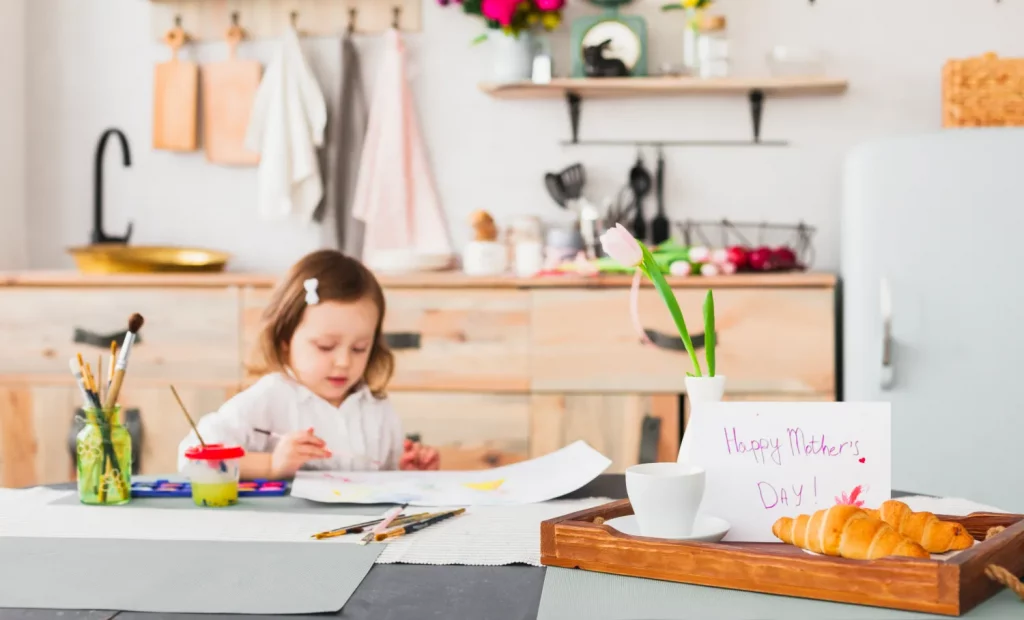
Incorporate learning into everyday routines.
71. Self-Dressing Practice: Practice zipping, buttoning, and snapping to build independence and fine motor skills.
72. Setting the Table: Count out the number of plates and forks needed for dinner.
73. Tidying Up: Sort toys into designated bins. Make it a game by timing it.
74. Cooking Prep: Let them wash vegetables, stir batter, or sprinkle toppings to build fine motor skills and a sense of responsibility.
75. Practice Using Utensils: Encourage utensil use during meals to improve fine motor control.
When implementing these activities in group settings such as preschools or daycare centers, collaboration between educators and specialists can significantly enhance outcomes. Schools that engage in Silver Spring School Collaboration ABA Services find that integrating behavioral support with classroom instruction creates a cohesive learning environment. Teachers and therapists work side by side to adapt activities for children with diverse needs, ensuring every child can participate and benefit from these engaging preschool experiences.
Frequently Asked Questions
How do I choose the right activity for my preschooler?
The best way to choose an activity is to follow your child’s lead. Preschoolers like to be spontaneous, so see what captures their interest before you suggest something. If they are interested in butterflies, do a butterfly craft. If they are building with blocks, challenge them to build a tall tower. The key is for children to explore their own creative interests and express themselves. You don’t need expensive toys; simple supplies often work best.
What is the most important skill for a preschooler to learn?
Child development experts focus on the development of the “whole child,” which includes cognitive, social, and physical growth. While learning the alphabet and numbers is important, social-emotional skills like sharing, empathy, and problem-solving are equally vital. The best preschool programs aim to facilitate optimal development of the whole child.
Why are sensory activities important for preschoolers?
Sensory activities engage a child’s senses and are essential for cognitive growth, language development, and motor skills. When children squish playdough or dig in a sensory bin, they are building pathways in their brains. Sensory play also helps children who are sensory seeking or sensory avoiding learn to process different stimuli.
How do I know if a preschool activity is educational?
An activity is educational if it encourages problem-solving, creativity, and critical thinking. You can ask questions like “How many ways can you draw a person?” or “Tell me about what’s happening in your picture” to turn a simple craft into a learning moment. The focus should be on the process of discovering and experimenting rather than the final product.
How can I prepare my child for preschool?
To ease the transition, start by visiting the preschool in advance so your child can meet the teachers and explore the classroom. Establish a consistent daily routine at home to help them adjust to the structure of a school day. You can also engage in pretend play where you act out preschool routines like saying goodbye at drop-off.
Final Words
These 75 preschool activities for kids make learning fun because they tap into the natural curiosity and energy of young children. Whether you are a parent looking for weekend projects or a teacher searching for lesson plans, these ideas offer a wide variety of screen-free ways to build essential skills. For families seeking structure and support, exploring a high-quality Child Care & Daycare in Washington or a structured Toddler Program in Washington DC can provide a wonderful foundation for this type of learning. Additionally, for children who benefit from extra behavioral or developmental support, combining play-based activities with professional interventions can make a significant difference in their progress.
The key to successful preschool learning is to keep it playful, follow the child’s lead, and be present to guide them. The goal is not to create perfect artists or mathematicians, but to nurture confident, curious, and resilient learners who are ready for the next stage of their education. Every moment of play is an opportunity for growth, and with these 75 activities, you have endless inspiration to make every day a learning adventure.